
When I first started paying attention to AK rifles in 1997, the choice between them and the AR15 was simple: price.
You could pick up a decent AK for $350 with $10 magazines and $100 cases of ammunition. AR15s cost closer to three times as much, and their magazines — thanks to AWB — were selling in the $25-30 range. Ammunition was more expensive as well, even from the same makers.
On the flip side, even with iron sights, AR15s were more accurate. The flat-top trend gave a lot more options with the Picatinny interface than the AK side rail mounts. Fast-forward to present day, and AK rifles and magazines cost as much as AR15 — thanks as much to the import restrictions as to other factors — and their 7.62×39 ammunition of similar quality to 5.56 is actually more expensive. Of course, the quality of the best models of AK has much improved, and even base models now offer greater modularity. That’s mostly the effect of a greater domestic production compensating for restrictions on the import of guns and components. This presents a big of a problem, as AK design was originally geared to mass production: scaling it down to a smaller scale without quality or performance problems is a non-trivial task. The question is how to avoid poor quality builds or components while maximizing the qualities for which AKs were rightly famous: ruggedness and reliability.
What to Look For When Selecting An AK-Rifle
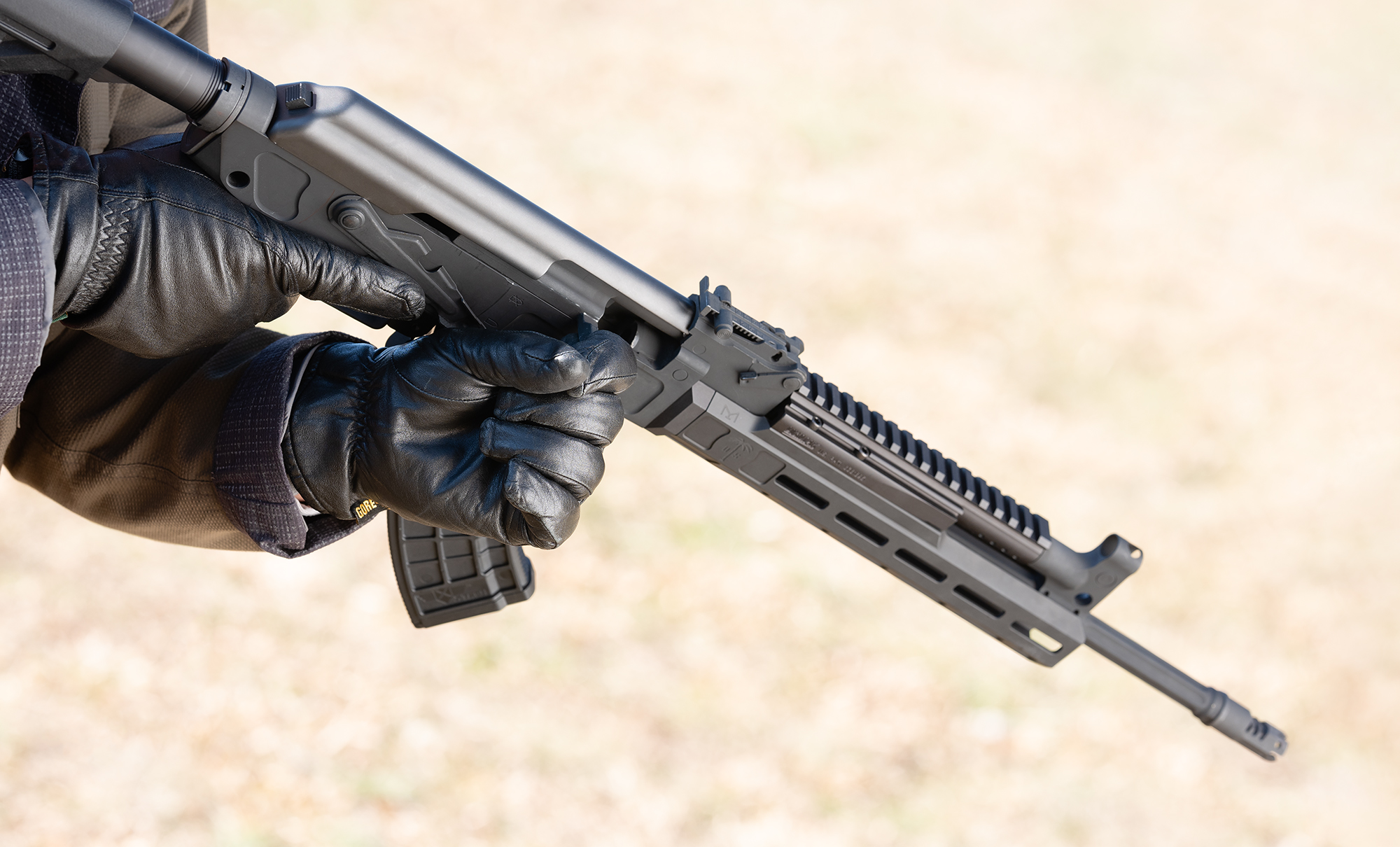
Traditional AK barrels, bolts, and carriers have long been chrome-plated against corrosive ammunition effects. Some domestic makers use salt bath nitriding. Both processes work well to resist corrosion and heat erosion. Some domestic makers use unfinished barrels, reducing the durability benefit of the AK, and also reducing reliability due to less slick surface finish than chrome plating.
Barrel Trunnions
Another major factor for reliability is the composition of the barrel trunnions. Traditional trunnions were forged, but some makers cut corners with cast parts. Without work-hardening, cast parts deform over time. Worse, they can fail precipitously, with some risk to the shooter. A rifle that won’t be shot much may get away with cast trunnions for a while, but it’s definitely the part to avoid when selecting an AK. These sorts of issues often come hand in hand with incorrect headspacing, identifiable with the use of GO and No GO gauges. If at the range, pay attention to malformed or split brass, frequent light primer strikes, or failures to go into battery.
Sights
Sights are the next factor to consider. Some AK makers put out rifles with front sight blocks canted from the factory. While you can zero such a rifle, sighting at other distances would lead to significant windage errors. The only way to correct this problem requires re-drilling the barrel for the retaining pins, a process requiring gunsmithing skills and tools. Some newer AKs moved the front sight to the top of the gas block for robustness, but that shortened the already small sight radius even further. Check if the sight has been adjusted significantly to one side or the other. This often indicates a misaligned barrel or sight block.
Optic Mounting
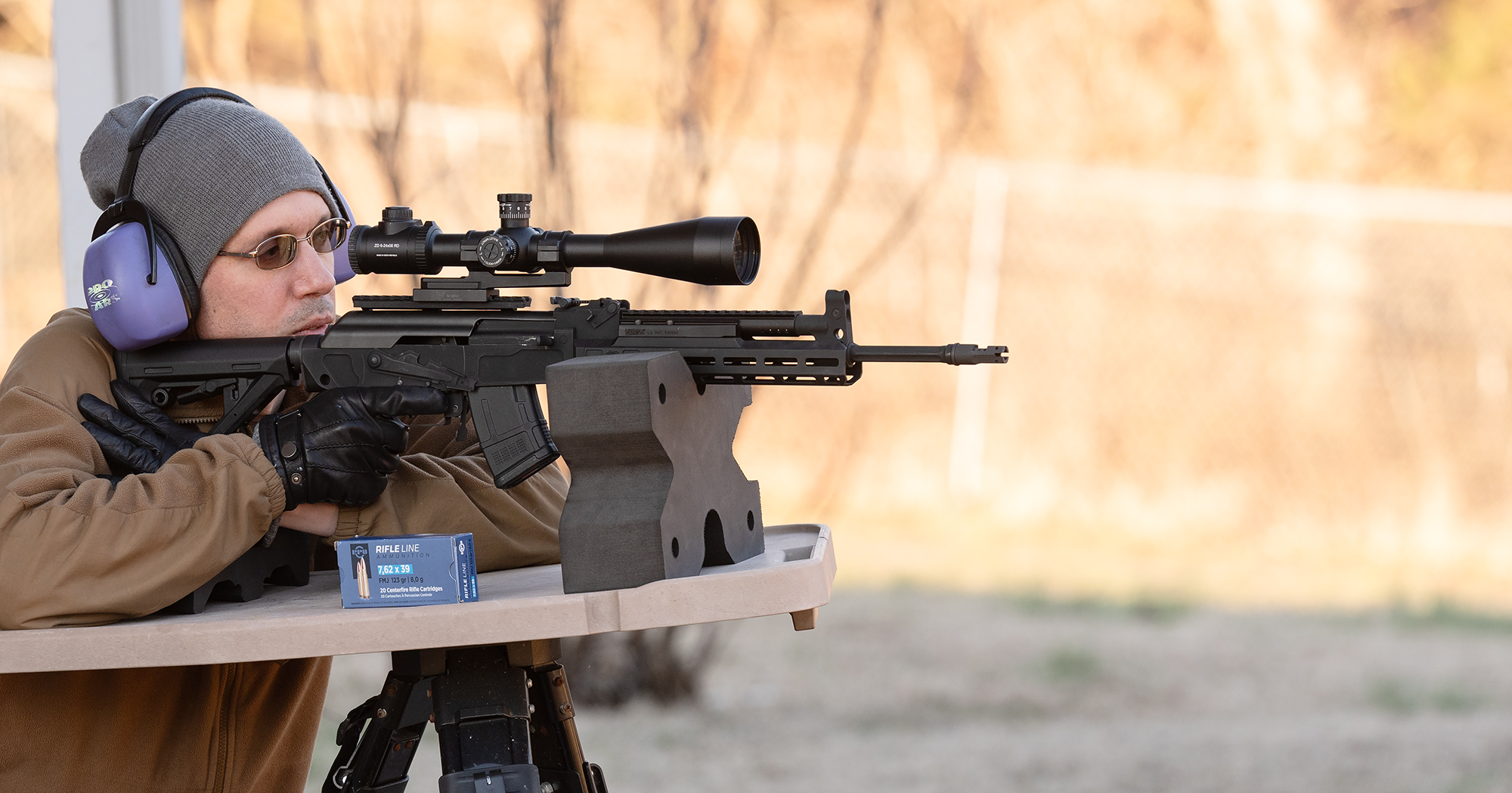
Since AK iron sights aren’t the most precise, it helps to have options for optic mounting. Three approaches exist. The original one uses the side rail with either a direct scope interface for Comblock optics or a Picatinny rail angling over the top of the receiver. Both work, so long as the rail is correctly aligned vertically and horizontally. You can correct a misaligned side rail but it’s not easy. The second approach replaces the top handguard and the gas piston tube with a Picatinny rail (such as Ultimak), excellent for unmagnified sights. The limitation is more difficulty in field-stripping, and potential heat transfer to the optic. The third option is replacement Picatinny top cover (such as TWS) with a mechanism to ensure consistent alignment and tension. This allows magnified optics and tandem thermal and day sights. The price is slightly harder disassembly, and limitations on how large of an optic can be attached and still permit the cover to hinge open around the permanently attached front pin. Railed cover shouldn’t move when wiggled.
Triggers
AK triggers are remarkably decent for a mass-produced military rifle. Aftermarket triggers of even better quality are also available. However, some manufacturers produce AKs with poorly designed triggers that slap the finger painfully on reset: check for that by manually cycling the bolt while depressing the trigger.
Rifle durability overall can be improved with forged, machined receivers as the alternative to stamped sheet metal receivers. Some machined receivers use standard 1mm metal, most use 1.5mm RPK (light machine gun) standard specification. Machined receivers make the rifle heavier, though the location of the extra weight improves the balance. They definitely improve accuracy, all other things being equal.
Visual Tells When Picking An AK
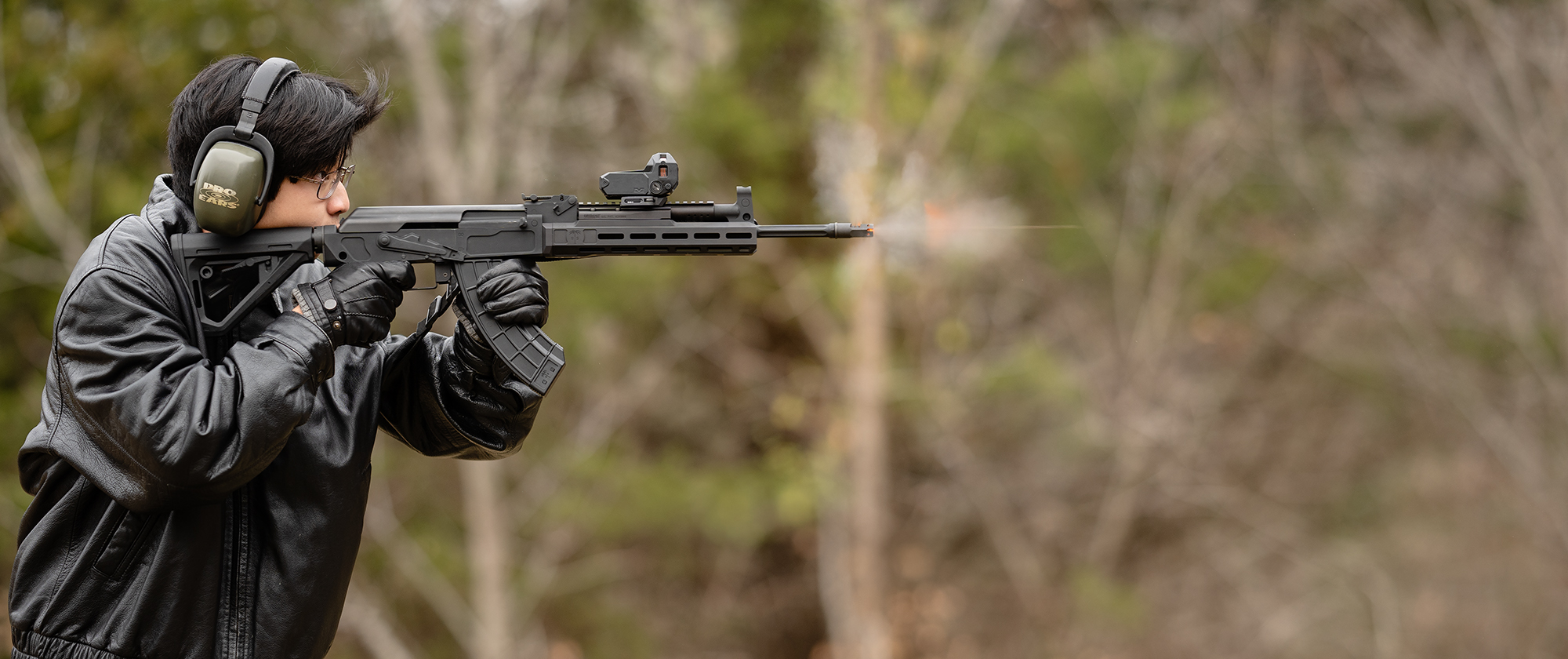
AK rifles vary massively in fit and finish. Run your ungloved hand over the receiver. That’s a simple way to check just how well the factory dehorned the rifle on the outside. Looking at wear and peening marks on the inside will tell more of the story. Proper safety lever fitting, neither loose nor overly tight, is another indicator. Look at the barrel crown for damage, especially if the barrel isn’t threaded for a flash hider or a brake. Flex on the furniture to ensure a sight fit of the stock, grip, and forend. Try several magazines to verify tight fit without scraping, then check for wide-to-side play. Loose magazine fit is one of the greatest impediments to feed reliability.
Finally, the biggest determinant in the AK performance is the ammunition. Budget brands like Tela FMJ work perfectly well for training, especially CQB. Beyond 200 yards, the use of brass case loads with SP or tipped JHP bullets improve both accuracy and terminal performance considerably.