Slug — when you absolutely, positively, have to stop any dangerous game in North America! Works on deer, too.
History of Slug Ammunition & Evolution of Slug Types
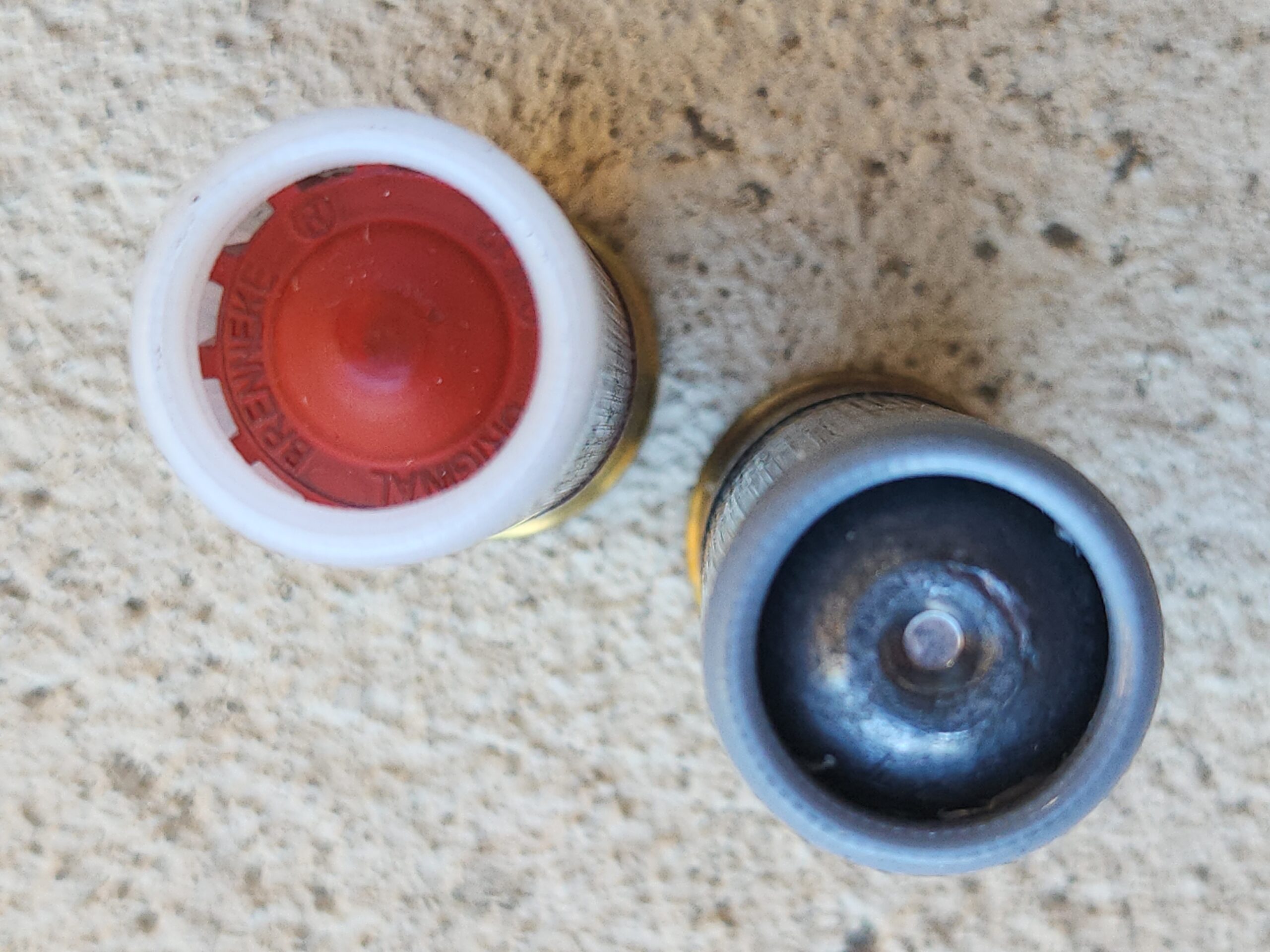
Until the end of 19th century, a shotgun slug was just a batched roundball which produced moderate penetration and poor accuracy. Firing it through a choked barrel made matters worse by deforming the ball out of spherical form. The Brenneke slug with attached wad changed the game drastically: not only did forward balance drag-stabilize the projectile, its greater density improved penetration, and cast ribs combined with consistent in-bore orientation made it safe to use with moderate chokes.
Rifled Slugs
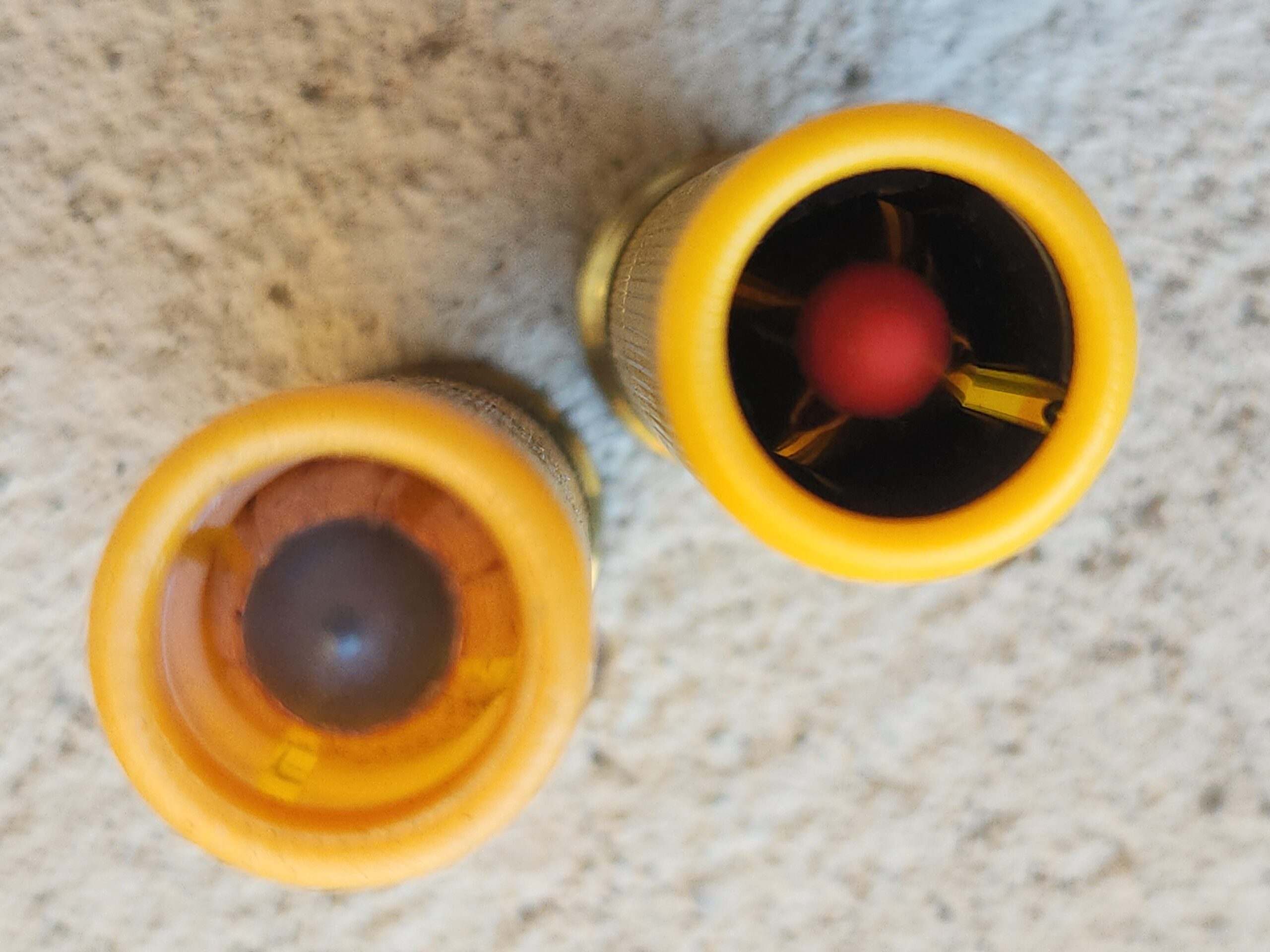
The next development came in the 1930s US, with Foster thimble-shaped “rifled” slugs which relied on the same weight-forward shuttlecock effect for stability. Made of softer lead, lighter weight than Brennekes, these were also cheaper and easier to make.
Sabot Slugs
The third slug type, sabot, used a much longer wasp-waisted projectile, usually made of copper. Wrapped in a discarding plastic sabot, it allowed a faster, higher ballistic coefficient bullet to be fired from a rifled 12 or 20 gauge barrel. Nominally, these slugs were still shotgun projectiles and permitted for use in states where conventional rifles were not allowed for deer hunting.
Which Slug Should You Use?
Which of these slugs is good for what purpose? That depends on the expected engagement distance and the type of game or foe you will face.
Using Foster Slugs (AKA Rifled Slugs)
Up close, inside of 100 yards against soft-skinned targets, Foster slugs are inexpensive and sufficient. At very close distances, they will either mushroom or fragment, further out will mushroom but moderately. Because of the low density, they tend to go subsonic by the 50 yard mark, making range and wind estimation difficult at long range. Although only moderately accurate, these slugs shrug off interference from small branches better than sabot slugs.
Fosters are safe to use even in moderately choked barrels thanks to the angled vanes of soft lead compressing when squeezed, but they are still more accurate and comfortable when fired from cylinder bores. A fragmenting load by Rio, a variant of Brenneke slug, also works well up close. It sheds several large petals from the central stem upon impact. The Brenneke brand also includes a dedicated home defense load, reduced recoil, and a slug with softer lead than hunting loads.
When to Use Brenneke Slugs
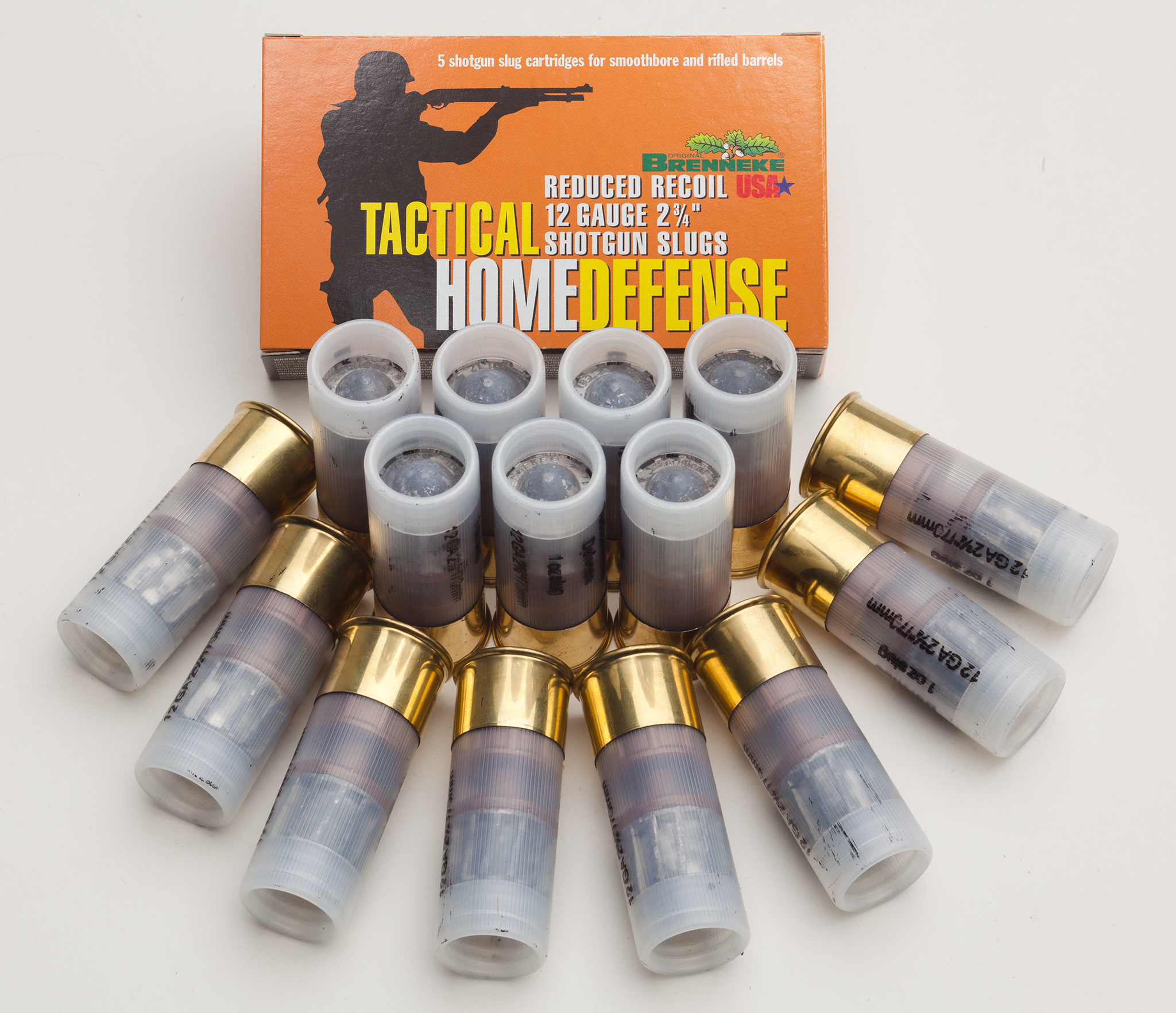
Further out, from 75 yards to about 150, denser and more accurate Brenneke slugs give hunters an edge. Made of harder lead, these projectiles are designed to deform little. They penetrate far further than fosters, often double the depth. That is excessive for a defensive load against humans but most appropriate for bears. On deer, they are more likely to create through and through wound tracks, even if of smaller diameter than soft Foster slugs. Hardcast slugs also work more effectively against auto bodies and glass. In the Polar regions of Norway, where bears are a constant menace, and in Alaska, the most widely used defense loads are Brenneke Black Magic or Bear Protect Magnum.
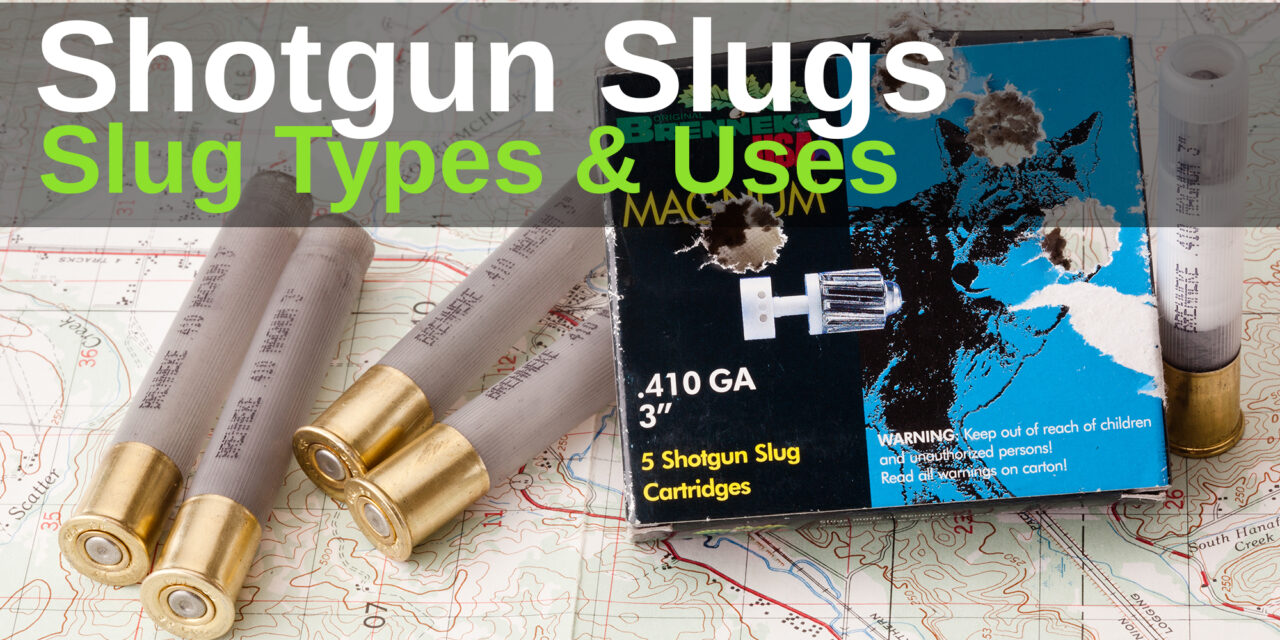
While all Brenneke slugs may be fired from rifled bores for improved accuracy, their heaviest 1.5oz 3in Magnum Crush requires a rifled bore to stabilize. From smoothbore barrels, penetration rather accuracy is the main difference, while the higher BC combined with far superior spin-stabilized flight make Brenneke slugs a more accurate performer from rifled shotguns. In .410 bore, Brenneke is the only penetrating option, being the only 1/3oz solid projectile on the market. Foster type slugs weighing between 1/5oz and 1/4oz are so fast and lightly constructed, that they tend to fragment upon impact.
What are Sabot Slugs Good For?
Sabot slugs usually weigh 2/3 as much as Brenneke, but their smaller diameter gives them higher ballistic coefficient. They stay supersonic past 200 yards, and usually expand properly even at longer distances. Despite the smaller initial caliber (.50 for 12ga, .45 for 20ga), they produce serious terminal effects on game. Sabot slugs have notably less drop and wind drift than the other options. They are effective up close on thick-skinned species, but I find them less desirable than thicker, heavier Brennekes.
What Slug Should You Buy?
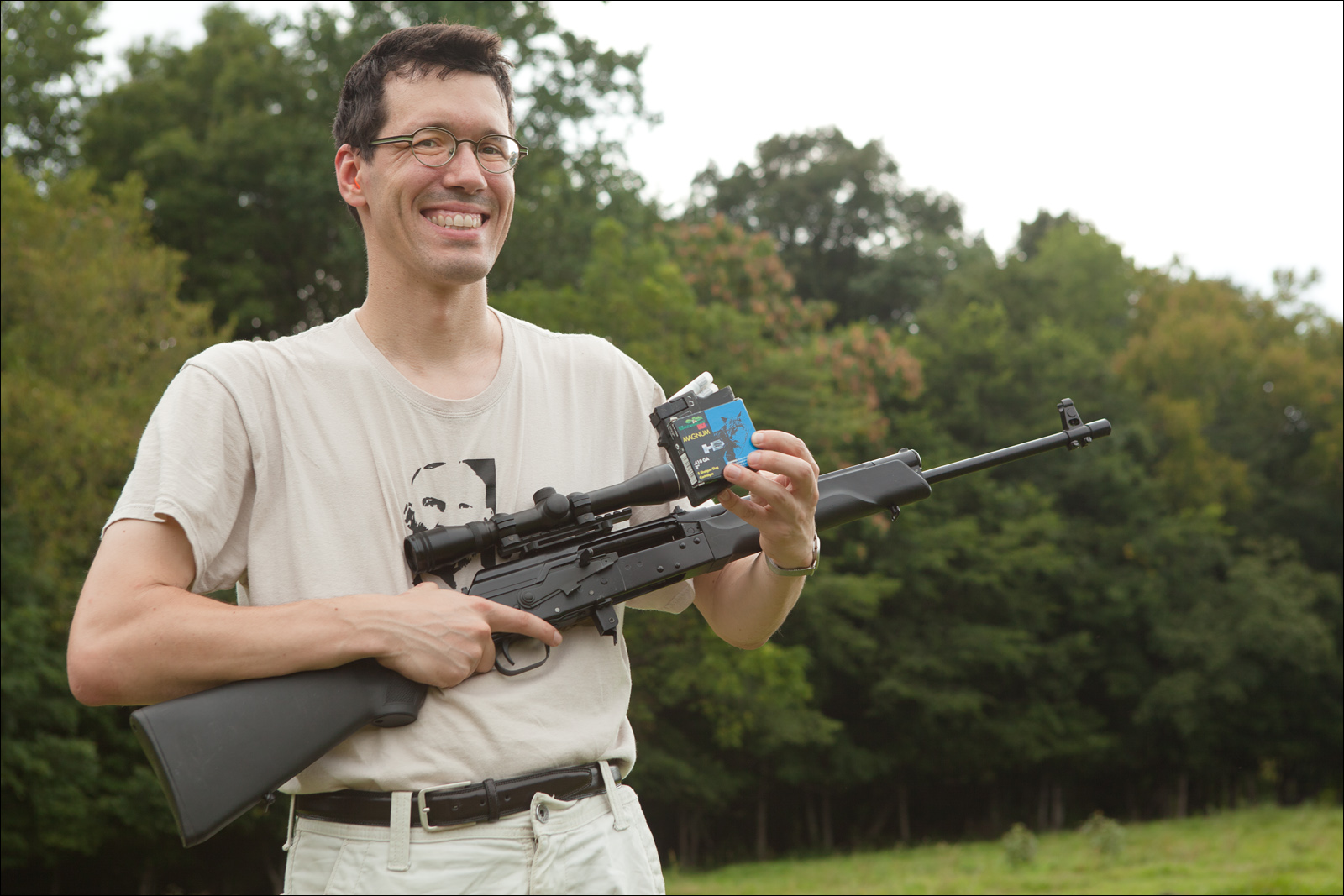
The Saiga is a big step-up from a pistol!
Based on personal experience, I would favor Federal LE Trueball 1oz rifled slug as a multi-purpose hunting and defensive load, with 7/8oz high-velocity Remington as the anti-personnel round only. For longer-range deer hunting using rifled barrels or chokes, Hornady American Whitetail slugs provide a dense 325gr projectile with excellent downrange accuracy, and Federal Power Shock goes even heavier at a full ounce, making it suitable for brown bear.
How Are Slugs Different from Buckshot?
Buckshot offers shooters a limited number of pellets (8 or 9 are common for 12 gauge) in a shell that all go toward your target. A slug is one large projectile that generally offers more accuracy at distance. Both are good options for hunting and can be good for self-defense. Generally speaking, buckshot is the more common choice for shooters looking for a home defense round as it doesn’t typically travel as far as a slug can.
A Note On Rubber Slugs
Rubber slugs are another category of slugs that really have their own use type. These are defined as “less lethal” by most manufacturers. Law enforcement will occasionally use them for things like riot control and they can be used to ward off varmint/pests without killing them.